Muslim dating in London
Muslim Dating in London, Without Losing the Plot
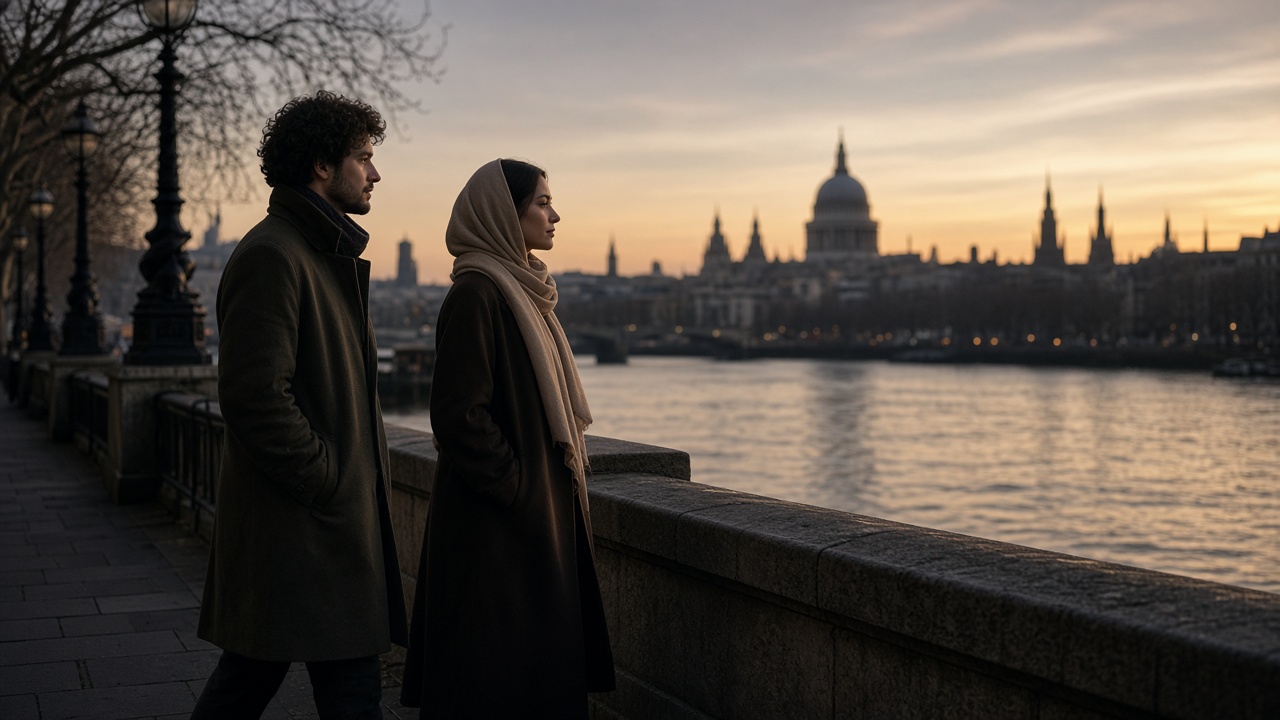
- halal dating London
- Muslim singles London
- serious Muslim relationships
Muslim dating in London is less mysterious than the apps make it sound, and more specific than the advice your auntie forwards at midnight. The city is large enough that you can meet someone who shares your madhhab, your sense of humour and your commute, and crowded enough that you can also waste a year on conversations that were never going anywhere. Serious Muslim relationships here start with a plain question: what are you actually looking for, and who needs to know?
The 2021 Census recorded Islam as the second largest religion in England and Wales, and London holds a substantial share of that community. That scale is a gift. It also means "Muslim" is not a single dating pool. A British-Bangladeshi solicitor in Bethnal Green, a Somali doctor in Whitechapel, a convert teacher in Walthamstow and a Pakistani accountant in Hounslow can all be practising, and still want very different homes. Muslim singles London-wide do better when they say the specific thing out loud early, instead of hoping chemistry will sort out children, location and prayer.
What serious looks like here
Halal dating London-style is not one script. Some families expect a chaperoned first meeting and a nikah within months. Others are comfortable with a few public coffees before parents are introduced, as long as the intention is marriage and the boundaries are clear. Both can be honest. What tends to go wrong is a gap between the story you tell a match and the story you tell your family.
Before you open another chat, write down four things you will not negotiate and four things you will. Faith practice, whether you want children, where in London or outside it you can live, and how involved parents will be are the usual non-negotiables. Taste in restaurants, the precise hour of a gym class, and whether someone prefers the Piccadilly line are not. Muslim dating in London moves faster when those lists exist before the first voice note.
A useful test is the six-week check. If you still do not know their practice, their timeline for marriage, or whether they can meet your family, you are not dating towards nikah. You are keeping a conversation warm. Warmth is pleasant. It is not a plan.
Where people actually meet
East London still concentrates a lot of Muslim life, from Whitechapel and Stepney to Ilford and Walthamstow, but the map has widened. Acton, Harrow, Hayes, Tooting, Streatham and parts of north London have their own rhythms. Work is often the real meeting place: NHS trusts, universities, law firms, City graduate schemes and school staff rooms. So are volunteering circles, charity iftars and friends who are tired of watching you describe an ideal person and then refuse every introduction.
If you want a wider map of where communities sit, read where Muslim singles in London actually live. Geography is not destiny, but a person in Harrow and a person in Lewisham who both refuse to leave their borough are negotiating a marriage, not a hobby.
Public places beat private flats for early meetings. A cafe near a station, a walk along the Thames, or tea after a class keeps the tone closer to halal dating in the UK than to a situation you would rather not explain to your brother. Tell a friend where you are going. Leave when you said you would. Those are small habits, and they do more for trust than a perfect bio.
Family, without handing them the remote
Parents in London have seen enough mismatched marriages to be cautious, and enough lonely children to be impatient. You can respect both feelings without letting the group chat run your love life. A clean sequence is: you decide the intention, you learn the basics yourself, then you invite family in while there is still time for them to ask real questions.
Muslim matchmaking in London still works when the introduction is specific. "She is 29, prays, lives with her sister in Acton, wants children, and can meet you on Sunday" is an introduction. "Someone nice from the masjid" is a rumour. If your family wants to speak to theirs, agree the topics in advance: deen, marriage timeline, living arrangements, and anything that has ended previous talks. Money and past relationships can wait until there is mutual seriousness, but they should not wait until the walima.
Converts and people with little family in the UK need a different support structure. A trusted friend, an imam you actually know, or an older cousin can sit in the role relatives would have played. The point is a witness to your intention, not a performance of a family you do not have.
What to say in the first fortnight
Ask about the day, not the doctrine exam. How they pray when shifts run late, what Ramadan looks like in their house, and what they want a home to feel like will tell you more than a quiz. You can go deeper in talking about faith when dating. For now, listen for consistency. Someone who is kind about their mother, precise about their time, and clear about marriage is giving you better evidence than a paragraph about destiny.
Mention deal-breakers before affection makes them harder to say. If you will not move east of Stratford, say so. If you need a partner who is comfortable with your hijab, your beard, or your decision not to drink at work events, say so. Serious Muslim relationships fail more often from polite delay than from an early no.
A pace that fits the city
London rewards people who can hold two truths: you might meet someone excellent on a Thursday, and you might also need three months to know whether your lives can share a postcode. Do not confuse speed with sincerity. A person who suggests meeting your brother next week can be sincere. A person who suggests a nikah next week, before either family has spoken, is usually rushing past the questions.
Keep a simple record for yourself. After each meeting, note what you learned about faith, family, work and the next step. If the notes stay vague, the relationship is vague. Muslim dating in London does not require a grand theory. It requires a public place, an honest timeline, and the nerve to involve the people who will still be there after the wedding photos.